A Guide to Moving Violations
📅 2026 Update: Changes in Driving Laws and Fees
Since the original article was published, there have been significant changes in traffic laws and fees that directly affect drivers. New legislation has been enacted in states like California and Maryland, impacting everything from electric bike regulations to vehicle registration fees. The earlier article continues further down the page, providing foundational information about moving violations.
🚦 California's Speeding Ticket Surcharges
California has updated its speeding ticket fines. A base fine of $100 for speeding can now rise to $480 when various fees and surcharges are added. This increase highlights the potential financial consequences of moving violations in California.
- ⚠️ Understanding Costs: Drivers should know that the fines can escalate quickly. Awareness of these costs can help drivers avoid hefty penalties.
🚲 Electric Bicycle Safety Regulations
Starting January 1, 2026, new rules will prohibit operators under 16 years old from riding class three electric bicycles. These bicycles must also be equipped with helmets and reflectors to enhance safety.
- 🛡️ Safety First: The new regulations aim to keep young riders safe. Parents should ensure compliance with these laws to avoid fines.
🚨 New Penalties for Burglary Tools
California Assembly Bill 486, effective January 1, 2026, classifies the possession of key programming devices or signal extenders for burglary attempts as a misdemeanor. This law carries penalties of up to six months in county jail and fines up to $1,000.
- 🔒 Stay Informed: Drivers should be aware of these changes to avoid unintended legal issues.
💰 Vehicle Registration Fee Increases in Maryland
Maryland's annual registration fee for passenger cars has increased significantly. Starting July 2024, the fee will be $110.50, rising to $120.50 in July 2025. This is a notable change from the previous fee of $67.50.
- 📈 Budget Accordingly: Drivers should factor these increases into their annual costs for vehicle ownership.
📌 Key Points to Remember
- ⚠️ California speeding fines can reach $480.
- 🚲 Operators under 16 can't ride class three electric bicycles.
- 🔒 New laws penalize possession of burglary tools.
- 💰 Maryland vehicle registration fees are now $110.50 and will rise to $120.50.
- 🛡️ Safety gear is mandatory for certain bicycles.
💡 Tips for Understanding Moving Violations
Review your unique situation with your attorney.
🚗 Know Your Rights
Drivers should be aware of their rights when receiving a moving violation. Understanding the legal process can help in disputing unjust tickets.
📝 Keep Records
Always keep a record of any tickets you receive. This documentation can be essential if you choose to contest a violation or need to track your driving history.
⚖️ Understand the Consequences
Familiarize yourself with the potential consequences of moving violations. Penalties can include fines, points on your license, and even increased insurance premiums.
🚦 Stay Informed About Changes
Laws change frequently. Stay updated on new regulations that could impact your driving privileges and responsibilities.
📅 Plan for Registration Fees
If you live in Maryland, note the upcoming increases in vehicle registration fees. Budgeting for these changes can prevent surprises.
🏆 Free Options Ranked by User Reviews (2026)
No national paid services have met the necessary review threshold in this area. Instead, here are some free resources from government and nonprofit organizations.
🥇 1. California Department of Resources Recycling and Recovery (CalRecycle)
CalRecycle offers guidance to clothing producers on compliance with California's textile recycling law. This resource can help businesses understand their responsibilities under the new regulations.
🥈 2. California Highway Patrol (CHP)
The California Highway Patrol provides information to the public about new traffic safety laws, including regulations on electric bicycles. This resource is beneficial for both riders and parents seeking safety tips.
🥉 3. Maryland Department of Transportation
The Maryland Department of Transportation gives updates on vehicle registration and related fees. It’s a great resource for Maryland residents needing to stay informed about changes in vehicle laws.
4️⃣ Local Government Websites
Local government websites often provide resources on traffic laws, vehicle registration, and other driving-related topics. Check your local site for specific guidelines and updates.
🔎 Before Paying for Help
- 🏛️ Verify the legitimacy of the service.
- 📜 Check for any hidden fees or costs.
- ❓ Look for user reviews or testimonials.
- 📅 Ensure they have updated information on current laws.
❓ Frequently Asked Questions
❓ What happens if I don't pay a speeding ticket in California?
Not paying a speeding ticket can lead to additional fines, a potential warrant for arrest, and points on your driving record.
🚦 How can I contest a moving violation?
You can contest a moving violation by requesting a court hearing. Bring evidence such as photographs or witness statements to support your case.
🚲 Are there age restrictions for riding electric bicycles in California?
Yes, operators under 16 years old are prohibited from riding class three electric bicycles, which must also have helmets and reflectors.
💰 How can I find out about my state's vehicle registration fees?
You can check your state's Department of Motor Vehicles or equivalent agency for the most up-to-date information on vehicle registration fees.
⚖️ What are the penalties for using a burglary tool in California?
Possessing a key programming device or similar tools with the intent to commit burglary can lead to a misdemeanor charge, with penalties including up to six months in jail and a fine of up to $1,000.
📅 When do the new vehicle registration fees take effect in Maryland?
The new vehicle registration fees in Maryland take effect beginning July 2024, increasing to $110.50, and will rise to $120.50 in July 2025.
⚖️ Recent Cases Related to Moving Violations
Several recent court rulings have impacted laws surrounding moving violations and related penalties. These rulings reflect ongoing changes in traffic regulations and enforcement.
- Tennessee Court Affirms Dismissal of Uninsured Motorist CaseCourt of Appeals of Tennessee · September 29, 2026
- Tennessee court upholds DUI sentence for Darrell Aaron CoxCourt of Criminal Appeals of Tennessee · August 7, 2026
- Tennessee court upholds DUI conviction of Cindy SmithCourt of Criminal Appeals of Tennessee · August 26, 2026
- Wisconsin Court Overturns Evidence Suppression in Traffic CaseCourt of Appeals of Wisconsin · October 14, 2026
For more recent rulings, browse more rulings on the news page.
End of October 2026 Update
What are Moving Violations?
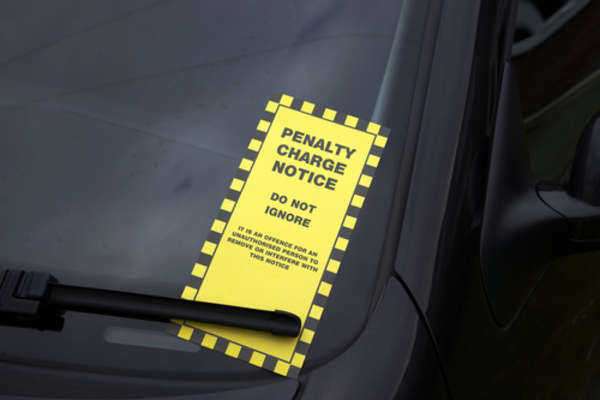
A moving violation is a violation of traffic law which is committed by a driver of a motor vehicle while the vehicle is in motion. The word "motion" distinguishes moving violations from other traffic violations such as equipment violations, parking violations, or paperwork violations that are related to registration insurance, inspection, or others.
Moving violations are usually more heavily penalized because in theory, they are more likely to cause direct physical hard to the other individuals or cause property damage. While some traffic violations, like parking violations, are considered civil matters that only involve a vehicle's owner, moving violations are actually charged against the vehicle driver. Moving violations are typically classified as misdemeanors or infractions, but any serious moving violations such driving under the influence, a hit and run, or road rage can be classified as felonies depending on the situation.
The most typically enforced moving violation, and certainly the most frequent reason for a motor vehicle pullover (regardless of specific citation issued, if any), is a moving violation that involve the speed limit. The measurements of drivers speed throughout time have found certain roadways where driver compliance with the speed laws is very low, which makes many motor vehicles liable to be pulled over by law enforcement.
Severe Moving Violations
As mentioned, some serious moving violations will result in criminal charges such as misdemeanors or felonies. Here are some severe moving violations that you should be aware of:
Severe Moving Violations: Driving Under the Influence
Driving under the influence (known as a DUI or DWI for driving while intoxicated) is the act of operating a motor vehicle while having blood levels of alcohol that exceed a legal limit. For these moving violations, convictions do not necessarily require actual driving of the motor vehicle. In most jurisdictions, a measurement like the person’s blood alcohol content beyond a defined level, like 0.08% defines the offense, without having to prove driving impairment.
For DUI moving violations, many states adopted truth in sentencing laws which enforce strict guidelines on sentencing for this moving violation. Many jurisdictions in the United States require more serious penalties for this moving violation, such as large fines, jail time, DUI programs, or the installation of ignition interlock devices. These penalties can increase even more when driver's BAC is much higher than the limit, such as 0.15-0.20%.These additional penalties are an attempt to prevent and punish the operation of a motor vehicle at extremely high blood alcohol content levels and the resulting danger posed to the safety of individuals and personal property by heavily impaired drunk drivers.
Severe Moving Violations: Reckless Driving
Reckless driving is another severe moving traffic violation. It is considered a more serious moving violation than careless driving, improper driving, and driving without due care and attention. Reckless driving often results in fines, jail time, and/or suspension or revocation of a driver's license as well as a misdemeanor criminal record.
When a person commits reckless driving moving violations, the driver is often in a mental state in which he or she displays an extreme disregard for the regulations of the road. The driver often misjudges normal driving procedures, which results in accidents and damages such as personal injury or property damage. Like other moving violations, reckless driving stays on your DMV record also results in points added to your insurance. Reckless driving usually goes hand in hand with other moving violations such as speeding or alcohol use.
Severe Moving Violations: Vehicular Homicide
Vehicular homicide, sometimes called vehicular manslaughter, is one of the more severe moving violations that result in a criminal record. In general, vehicle homicide results in death from the negligent operation of a motor vehicle or from driving while performing an unlawful act that does not necessarily amount to a felony. In the Model Penal Code, there are no distinctions between vehicular homicide alone and vehicular homicides that include negligence. Both moving violations are included in the category of negligent homicide.
All states with the exception of Alaska, Arizona, and Montana have statutes regarding this moving violation. The relevant laws have the effect of calling the motor vehicle a potentially deadly weapon, which allows for easier criminal conviction and severe penalties. In states that do not have statutes regarding vehicular homicide, defendants may still be charged with murder or manslaughter in some situations. The victim of these moving violations may be either an individual not in the vehicle with the offending motorist, like a pedestrian, another motorist, cyclist, or the passenger who is in the motor vehicle with the offender.
Severe Moving Violations: Street Racing
Street racing is an illegal unsanctioned form of motor racing that takes place on public roads and is considered a moving violation. Street racing can either be well-planned and coordinated or spontaneous. The street racing culture is particularly in Northern California and Southern Florida.
In certain cases, the popularity of street racing has resulted in tough anti-street racing regulations which give more strict penalties, including misdemeanor offenses for attending race events, than normal moving violations and also result in dedicated anti-racing task forces. Penalties for these moving violations now can even include impoundment or even destruction of the offending motor vehicle as well as the revocation or suspension of the offender's license.
Other Moving Violations
While the punishments for other moving violations are not as severe, you should still be aware of what is considered a moving violation and avoid them:
• Running a red traffic light or a stop sign
• Speeding, which can either be exceeding a speed limit or just driving at an unsafe speed
• Failure to yield to another motor vehicle who has right-of-way
• Failure to use signals for lane changes or turns
• Failure to drive within one single lane
• Crossing over a median, gore, or center divider
• Driving your vehicle on the shoulder of the road when it is considered illegal under specific conditions
• Failure to properly use a seat belt
• Failure to stop at a cross walk for a pedestrian
• Failure to stop for a school bus while children are exiting or boarding the bus
• Failure to secure a load to a lorry or a truck
• Illegally driving in a car pool lane
• Depending on the jurisdiction, operating a mobile device while driving
• Driving a motor vehicle outside the conditions of one's driver’s license