Luxury Car Recall: Major Brands Face Unprecedented Safety Crisis
📅 2026 Update: Significant Developments in Vehicle Safety Recalls
Since the original article was published, there have been important updates in the world of vehicle recalls. In 2024, the number of recalls reached a record high, affecting millions of vehicles. This highlights the ongoing challenges in ensuring vehicle safety and the importance of being aware of recalls.
The earlier article continues further down the page.
🚗 Record Number of Recalls
In 2024, the automotive industry faced 1,073 recalls, impacting over 29.3 million vehicles. This was a significant increase compared to previous years. Vehicle owners should be vigilant about checking for recalls to ensure their safety on the road.
🔧 Recent Jeep Grand Cherokee Recall
In September 2026, Jeep recalled nearly 202,000 Grand Cherokee models. This recall was due to a software error in the tire pressure monitoring system. This issue can prevent the detection of low tire pressure, raising the risk of a crash.
💲 Free Recall Repairs
Vehicle manufacturers provide recall repairs at no cost to owners. This service is available at authorized dealerships. It is essential for vehicle owners to take advantage of this free service to keep their vehicles safe.
📅 Importance of Timely Repairs
While there is no federal deadline for completing recall repairs, it is important to address them promptly. Ignoring recalls can lead to increased risks of injury or accidents. Vehicle owners are encouraged to schedule repairs as soon as they are notified.
📞 Staying Informed About Recalls
The National Highway Traffic Safety Administration (NHTSA) offers a Recalls Lookup Tool. Vehicle owners can use this tool to check for open safety recalls. Staying informed is crucial for ensuring vehicle safety.
📌 Key Points to Remember
- 🚗 Record recalls hit 29.3 million vehicles in 2024.
- 🔧 Jeep recalled 202,000 Grand Cherokees in 2026.
- 💲 Recall repairs are free at authorized dealerships.
- 📅 Address recalls promptly to ensure safety.
- 📞 Use the NHTSA's tools to stay informed about recalls.
💡 Tips for Handling Vehicle Recalls
Review the details of your own situation with your attorney.
🔍 Check for Recalls Regularly
Vehicle owners should routinely check for recalls. The NHTSA’s Recalls Lookup Tool allows owners to enter their Vehicle Identification Number (VIN) to find any open recalls.
📞 Contact Your Dealer
If a recall is identified, contact your vehicle manufacturer's local dealer. Scheduling the free recall repair as soon as possible is crucial for maintaining safety.
🛠️ Keep Repair Records
After a recall repair is completed, keep all documentation. This can be important for future resale or warranty claims.
🚚 Understand Possible Reimbursements
Some manufacturers may offer reimbursement for costs related to recalls, like towing or rental cars. It's important to check with the manufacturer for specific policies.
📅 Follow Up on Repairs
After scheduling a recall repair, ensure you receive a confirmation from the dealer. If you do not receive confirmation, it's advisable to follow up.
🏆 Free Options Ranked by User Reviews (2026)
No national paid service met the review threshold in this area, so this section lists free government and nonprofit resources available for vehicle recalls.
🥇 1. National Highway Traffic Safety Administration (NHTSA)
The NHTSA provides tools to help vehicle owners check for recalls and understand the recall process. Their website offers a Recalls Lookup Tool where owners can enter their VIN to find any active recalls.
🥈 2. Consumer Product Safety Commission (CPSC)
The CPSC offers resources regarding recalls for consumer products, including car seats and other automotive accessories. Their site helps ensure that consumers are informed about safety issues and recalls that may affect them.
🥉 3. Local DMV Offices
Local Department of Motor Vehicle (DMV) offices can provide information about vehicle registration and recalls. They can assist in checking if any recalls apply to a vehicle based on its VIN.
4️⃣ State Attorney General’s Office
State Attorney General's offices often provide consumer protection resources, including information on recalls. They can help consumers understand their rights and how to address issues related to vehicle recalls.
🔎 What to Check Before Paying for Help
- 💲 Understand if the service is free.
- 📄 Verify the legitimacy of the organization.
- 📞 Check for user reviews or complaints.
- 🛠️ Ensure they offer direct assistance with recalls.
❓ Frequently Asked Questions
❓ How can I find out if my car has a recall?
You can check for recalls using the NHTSA’s Recalls Lookup Tool. Enter your Vehicle Identification Number (VIN) to see if there are any active recalls.
❓ What should I do if I receive a recall notice?
If you receive a recall notice, contact your vehicle manufacturer's local dealer. Schedule an appointment for the free recall repair as soon as possible.
❓ Are recall repairs really free?
Yes, recall repairs are provided at no cost to vehicle owners at authorized dealerships. It is important to take advantage of this free service.
❓ How long does a recall repair take?
The time required for a recall repair varies by vehicle model and issue. Dealers can provide an estimated time frame when you schedule the repair.
❓ Can I get reimbursed for expenses related to a recall?
Some manufacturers may offer reimbursement for related expenses like towing or rental cars. Check with your manufacturer for specific reimbursement policies.
❓ What happens if I ignore a recall notice?
Ignoring a recall notice can increase the risk of injury or accidents. It is advisable to address recalls promptly to ensure your safety on the road.
⚖️ Recent Cases Related to Vehicle Recalls
There have been several recent court rulings concerning vehicle recalls. These rulings often highlight the responsibilities of manufacturers and the rights of vehicle owners in recall situations.
- Florida court denies petition in auto insurance caseDistrict Court of Appeal of Florida · February 10, 2021
- Court rules on attorney's fees in auto glass insurance caseDistrict Court of Appeal of Florida · April 13, 2022
- Florida court rules in favor of Superior Auto Glass over GeicoDistrict Court of Appeal of Florida · December 28, 2022
- Florida court affirms ruling in Geico vs. Superior Auto GlassDistrict Court of Appeal of Florida · December 28, 2022
You can browse more recent rulings in the news section.
End of October 2026 Update
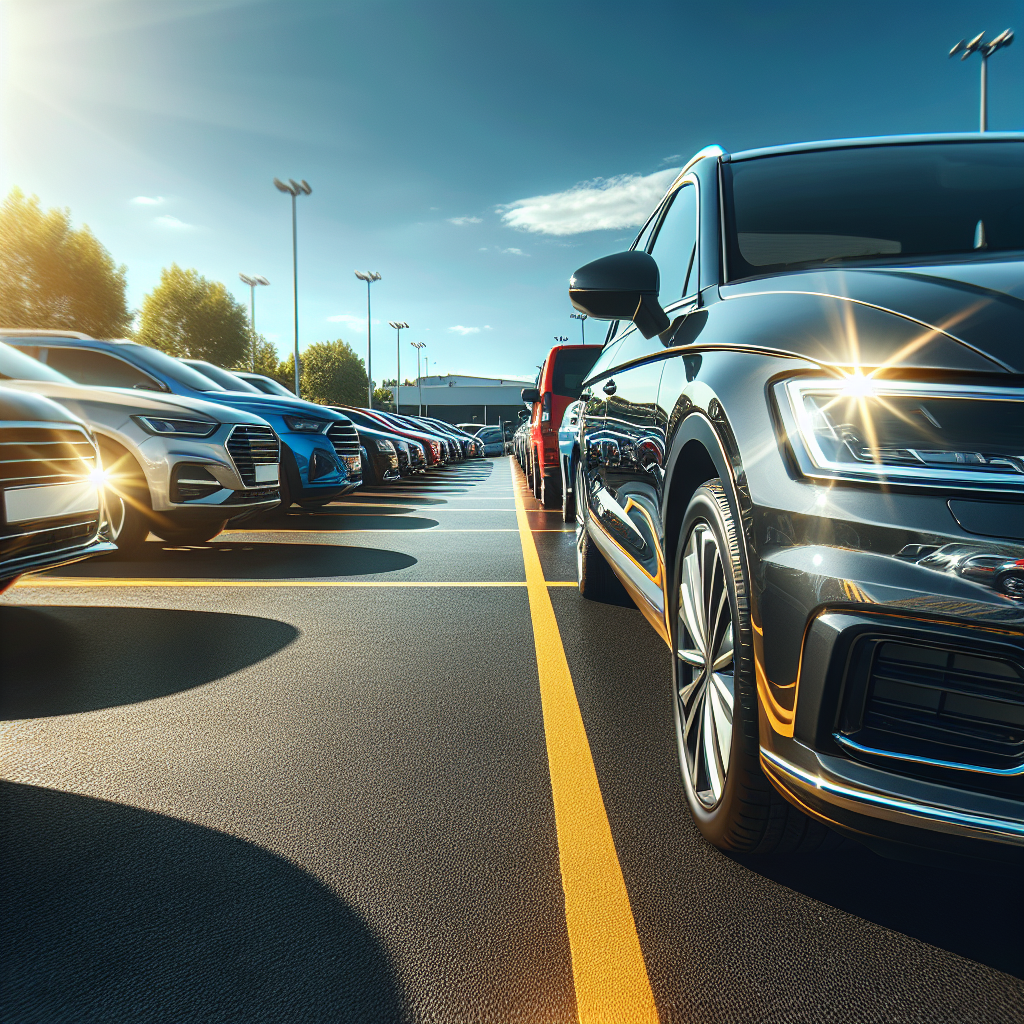
[caption id="attachment_32012" align="alignnone" width="641"] Car Parking Lot - New Electric Vehicle[/caption]
In a shocking turn of events, the luxury automotive sector is grappling with an unprecedented recall crisis that has sent ripples through the industry and left consumers questioning the safety of high-end vehicles. Major brands, once synonymous with reliability and prestige, are now facing scrutiny as they navigate a wave of recalls affecting thousands of luxury cars. This article delves into the scope of the crisis, the factors contributing to these safety issues, the risks involved, consumer reactions, manufacturer accountability, and the future implications for the luxury automotive market.
Understanding the Scope of the Luxury Car Recall Crisis: An Overview of Affected Brands
The recent recall crisis has impacted several leading luxury car manufacturers, including BMW, Mercedes-Benz, Audi, and Tesla, among others. Reports indicate that over 200,000 vehicles have been recalled globally due to various safety concerns ranging from faulty braking systems to electrical malfunctions. The recalls have not only affected new models but also older ones, raising alarms among consumers who have invested heavily in these premium brands. The National Highway Traffic Safety Administration (NHTSA) has been actively involved in monitoring the situation, urging manufacturers to prioritize consumer safety and transparency in their recall processes.
Key Factors Contributing to the Unprecedented Safety Issues in Luxury Vehicles
Several key factors have been identified as contributing to the surge in safety issues within luxury vehicles. Firstly, the increasing complexity of automotive technology, including advanced driver-assistance systems (ADAS) and intricate electronic components, has made it challenging for manufacturers to ensure quality control. Additionally, supply chain disruptions, exacerbated by the COVID-19 pandemic, have led to rushed production timelines, resulting in compromised safety standards. Furthermore, the competitive pressure to innovate and incorporate cutting-edge features has often overshadowed the need for rigorous testing and quality assurance, ultimately compromising vehicle safety.
Detailed Analysis of the Safety Risks Associated with Recent Luxury Car Recalls
The safety risks associated with the recent recalls are alarming and varied. For instance, some models have been reported to experience sudden loss of power steering, posing a significant hazard to drivers and passengers. Other recalls have been linked to malfunctioning airbag systems, which can fail to deploy in the event of a collision, increasing the risk of injury. Additionally, issues with fuel systems have raised concerns about potential fire hazards. The cumulative effect of these safety risks not only endangers lives but also tarnishes the reputation of luxury brands that have long prided themselves on superior engineering and safety features.
Consumer Reactions: How Luxury Car Owners Are Responding to the Recall News
Consumer reactions to the luxury car recall crisis have been mixed, with many owners expressing frustration and disappointment. Luxury car owners, who often expect the highest levels of quality and safety, have taken to social media to voice their concerns and share their experiences. Some have reported feeling betrayed by brands they trusted, while others are seeking legal recourse or considering switching to alternative manufacturers. However, there is also a segment of consumers who remain loyal, believing that the brands will rectify the issues and restore their reputation. This divide highlights the varying levels of trust and expectation that consumers have for luxury automotive brands.
Manufacturer Accountability: Steps Taken by Brands to Address Safety Concerns
In response to the growing crisis, luxury car manufacturers have begun to take significant steps to address safety concerns. Many brands have initiated comprehensive recall campaigns, offering free inspections and repairs to affected vehicles. Additionally, several manufacturers are enhancing their quality control processes and investing in advanced testing technologies to prevent future issues. Transparency has become a focal point, with brands issuing public statements and updates to keep consumers informed about the status of recalls and safety measures. Furthermore, some manufacturers are collaborating with regulatory bodies to ensure compliance with safety standards and regain consumer trust.
Future Implications: What This Recall Means for the Luxury Automotive Industry
The ongoing recall crisis poses profound implications for the luxury automotive industry. As safety concerns take center stage, manufacturers may be compelled to reevaluate their production practices and prioritize quality over speed. This shift could lead to increased costs and longer development timelines, ultimately affecting pricing strategies. Additionally, the crisis may prompt a broader industry-wide reassessment of safety regulations and standards, potentially leading to stricter oversight from regulatory agencies. As luxury brands strive to regain consumer confidence, the emphasis on safety and reliability will likely become a defining characteristic of the luxury automotive market moving forward.
The luxury car recall crisis serves as a wake-up call for both manufacturers and consumers, highlighting the critical importance of safety in the automotive industry. As brands navigate this challenging landscape, their responses will shape the future of luxury vehicles and influence consumer perceptions for years to come. The path to recovery will require a commitment to transparency, accountability, and a renewed focus on quality, ensuring that luxury cars can once again be synonymous with safety and reliability.